
Every marketer faces a version of the same question today: Should you trust your gut or trust the data? The debate around AI Marketing vs Traditional Marketing is no longer theoretical; it’s playing out in boardrooms, ad budgets, and campaign strategies around the world. Businesses in Pakistan and across global markets are rethinking how they reach customers, and the pressure to make the right call has never been higher.
AI is not just a buzzword. It’s a shift in how marketing actually works, from how you find your audience to how you measure results. But traditional marketing still holds real power in the right context. Understanding both approaches helps you make smarter decisions for your brand.
For businesses in Pakistan and beyond trying to navigate this shift, Let’s Uncover offers practical guides and digital marketing resources designed to help brands make smarter, data-driven decisions
Key Takeaways
- AI marketing uses real-time data and machine learning algorithms to personalize campaigns at scale, while traditional marketing relies on fixed channels and broad audience targeting.
- Both approaches have clear strengths: AI excels in precision and efficiency, while traditional marketing builds brand trust and emotional connection.
- The smartest strategy for most businesses is not choosing one over the other; it’s knowing when and how to combine them.
- According to Forbes, businesses that combine AI precision with traditional brand storytelling consistently outperform those that rely on either approach in isolation.
AI Marketing vs Digital Marketing: A Quick Comparison
People often use “AI marketing” and “digital marketing” interchangeably, but they’re not the same thing. Here’s a quick breakdown of how they differ across the factors that matter most.
| Factor | Digital Marketing | AI Marketing |
| Definition | Marketing done through digital channels: social, email, search, and websites | A subset of digital marketing that uses AI to automate, optimize, and personalize campaigns |
| Decision Making | Human-led marketers set strategy, write copy, adjust budgets manually | Algorithmic machine learning models make real-time decisions based on live data |
| Automation | Most tasks require manual execution and regular human oversight | High bid adjustments, email triggers, and audience targeting run automatically |
| Personalization | Segment-level content is tailored to broad audience groups | Individual-level AI serves unique content to each user based on behavior and intent |
| Speed of Optimization | Periodic changes depend on human review cycles and reporting schedules | Real-time campaigns adjust continuously as new data comes in |
| Best For | Businesses building an online presence with standard channels and consistent messaging | Businesses focused on growth, efficiency, and data-driven performance at scale |
In short, all AI marketing is digital marketing, but not all digital marketing is AI marketing. As AI tools become more accessible, the businesses that understand this distinction will know exactly where to invest and what to automate.
Understanding the Core Differences Between AI and Traditional Approaches

AI vs Traditional Marketing
Traditional marketing covers channels you already know well. TV commercials, print ads, billboards, flyers, and radio spots. It’s broad, visible, and built on years of proven practice. The message goes out to a wide audience, and you measure success through reach, impressions, and brand recall.
AI marketing, on the other hand, uses machine learning algorithms and data-driven decision-making to deliver the right message to the right person at the right time. Instead of broadcasting to everyone, AI identifies patterns in customer behavior and dynamically adjusts campaigns. The difference between AI marketing and traditional marketing comes down to this: one reacts to the market, the other predicts it.
AI Marketing Compared to Traditional Marketing
When AI marketing is compared to traditional marketing in terms of performance, the gap in tracking is significant. Traditional campaigns often struggle to tie results back to specific actions. You run a billboard and hope it works. AI marketing, by contrast, provides granular campaign performance tracking, including click rates, conversion paths, cost per acquisition, and more.
Customer behavior analysis becomes much more powerful with AI. Instead of relying on surveys or focus groups, AI tools analyze live user data across websites, apps, and social platforms.
Strategy Frameworks and Execution Models

Traditional Marketing vs AI Marketing Strategies
Traditional marketing strategies are built around scheduling, creative production, and channel placement. Planning a print or TV campaign typically involves weeks of lead time. Customer segmentation is done manually, based on demographics or past purchase data pulled from spreadsheets.
AI marketing strategies are more fluid. They rely on omnichannel marketing, meaning your brand message stays consistent and responsive across email, social, search, and display ads simultaneously. Segments update automatically as new data flows in, so your targeting improves over time without requiring constant manual adjustments.
AI-Powered Marketing vs Conventional Marketing
The biggest practical difference in execution is automation. Marketing automation through AI handles repetitive tasks, sending follow-up emails, adjusting bids in paid ads, or routing website visitors to relevant landing pages without human intervention. This frees your team to focus on strategy and creative work.
Conventional marketing requires a human decision at almost every step. AI-powered marketing acts on real-time data insights, making micro-adjustments to campaigns 24 hours a day. For businesses trying to grow efficiently, that difference in speed and responsiveness is hard to ignore.
Advantages, Limitations, and Strategic Impact
Benefits of AI Marketing Over Traditional Marketing
The clearest benefit of AI marketing over traditional marketing is personalization at scale. AI tools can serve thousands of unique ad variations to different users simultaneously, based on their browsing history, purchase behavior, and even time of day. No traditional approach comes close to that level of relevance.
Predictive analytics is another major advantage. AI models can forecast which leads are most likely to convert, when customers are at risk of churning, and which product combinations drive repeat purchases. This means you stop guessing and start acting on evidence.
Lets Uncover’s digital products are a practical example of this in action. These products stand out for anyone looking to build marketing skills with an AI-forward mindset.
Digital Marketing Methodology Course
Designed for marketers who want to move beyond guesswork and build strategies that actually perform. Key highlights include:
- Step-by-step framework for building data-driven campaigns across paid and organic channels.
- In-depth audience behavior analysis techniques to understand what your customers want before they tell you.
- Strategies for scaling campaigns without scaling your workload, using the same logic that powers AI-driven marketing.
- Practical application of performance marketing principles applicable to businesses in Pakistan and global markets.
- Bridges the gap between marketing theory and real-world execution for beginners and working professionals alike.
It reflects a core truth about modern marketing: the businesses that win are the ones that combine the right knowledge with the right tools. Understanding personalization, predictive thinking, and campaign performance is no longer optional. It’s the baseline.
Online Advertisement Course By Let’s Uncover
This course is built for anyone who wants to stop guessing and start running ads that actually convert. Although it is delivered in Urdu and Hindi, it’s one of the most accessible paid ad resources available for marketers in Pakistan and across the subcontinent. Here’s what the course covers:
- Instagram Ads from scratch: a complete step-by-step tutorial on running Instagram ad campaigns, including how to package and sell this as a freelancing service on Fiverr and Upwork.
- LinkedIn Ads: a full walkthrough of LinkedIn advertising, ideal for B2B marketers and professionals targeting high-value audiences.
- YouTube Ads and Retargeting: covers how to promote videos, set up remarketing campaigns, and use Audience Manager inside Google Ads to re-engage warm traffic.
- Freelancing integration: each module is tied directly to real earning opportunities, showing you how to turn these ad skills into a paid service career.
Whether you’re a business owner looking to run your own paid campaigns or a freelancer building a marketable skill set, Online Advertisement Course By Lets uncover gives you the practical foundation to work with the same platforms that power AI-driven marketing today.
AI Marketing: Pros and Cons
PROS
- Precision targeting: AI uses real-time data to reach the exact right audience at the right moment, significantly reducing wasted ad spend.
- Personalization at scale: Thousands of unique ad variations can be served to individual users simultaneously based on behavior, intent, and purchase history.
- Automation: Repetitive tasks such as bid adjustments, email triggers, and audience segmentation run without manual input, freeing your team for strategic work.
- Predictive analytics: AI forecasts which leads will convert, which customers are at risk of churning, and which offers drive repeat purchases before you spend a rupee.
- Real-time optimization: Campaigns adjust continuously as new data flows in, improving performance around the clock without waiting for a weekly review.
- Better ROI tracking: Every click, conversion, and cost is tracked and attributed, giving you a clear picture of what is and isn’t working.
CONS
- Data dependency: AI is only as good as the data it works with. Incomplete or outdated customer databases lead to unreliable outputs and poor campaign decisions.
- Learning curve: Setting up automated systems, reading dashboards, and managing AI tools takes time and some technical familiarity that smaller teams may lack initially.
- Privacy and compliance risks: Data collection is subject to tightening regulations, and mishandling customer data can damage brand trust and attract legal consequences.
- Over-automation risk: Relying too heavily on automation without human oversight can lead to tone deaf messaging or missed opportunities that a person would have caught.
- Lacks emotional depth: AI optimizes for performance metrics but can struggle to replicate the emotional storytelling and brand warmth that traditional marketing does naturally.
- Setup costs: Getting AI marketing tools up and running, platforms, integrations, and training requires an upfront investment that can feel steep for early-stage businesses
Digital Transformation and Industry Disruption
How AI Marketing Is Changing Traditional Marketing
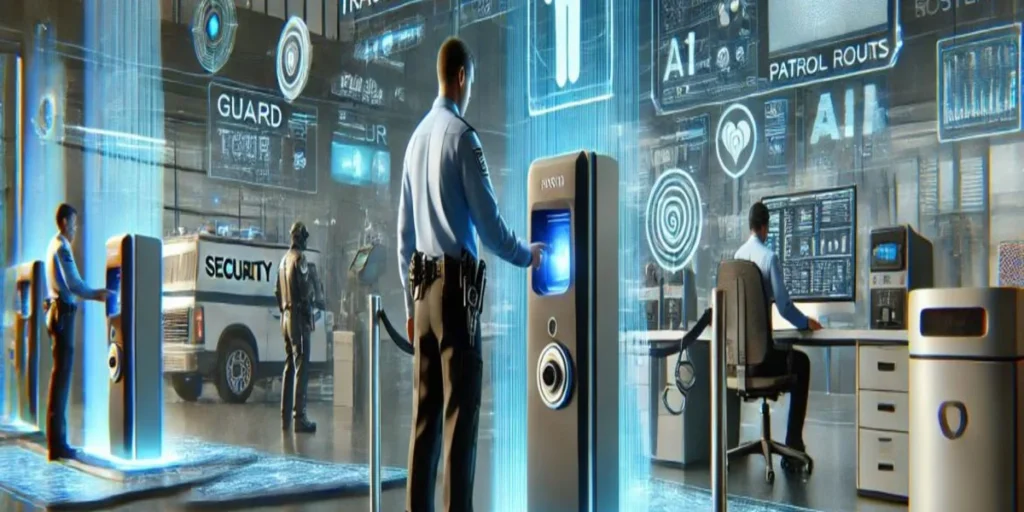
AI is not replacing traditional marketing entirely: it’s reshaping how traditional tactics are planned and measured. Machine learning algorithms now power media buying, meaning even TV and out-of-home ads are increasingly informed by audience data. Customer behavior analysis influences which creative concepts get approved, not just which digital ads get served.
Marketing automation has also crossed into traditionally manual processes. Email newsletters, loyalty programs, and even direct mail campaigns can now be triggered by specific customer actions, such as a purchase, a website visit, or a cart abandonment. The line between digital and traditional is blurring.
Traditional Marketing vs Digital AI Marketing
In head-to-head comparisons, digital AI marketing outperforms traditional approaches on measurability and flexibility. Real-time data insights let you pause a campaign that isn’t working within hours, not weeks. Budgets can shift dynamically based on what’s driving the best return.
Omnichannel marketing has become the standard for businesses that want to compete at scale. AI coordinates your presence across search, social, email, and display ads, ensuring consistent messaging while personalizing the delivery for each user and platform.
Future Outlook and Strategic Evolution
Future of AI Marketing vs Traditional Marketing
The trajectory is clear. Predictive analytics will become standard practice, not a competitive advantage. Businesses that build data infrastructure now will have a head start as AI capabilities expand. Personalization at scale will evolve further, with AI generating not just personalized ads but personalized product experiences, pricing, and content.
Traditional marketing will persist, but its role will shift. High-impact brand moments, major sporting events, and out-of-home placements in high-traffic areas will remain valuable. The difference is they’ll be planned and measured with AI support rather than intuition alone.
Is AI Marketing Better Than Traditional Marketing?
The answer depends on your goal. For data-driven decision making, targeting precision, and scalable growth, AI marketing wins outright. For brand awareness in markets with limited digital penetration, or for emotionally driven campaigns that benefit from physical presence, traditional marketing still delivers.
Customer segmentation is where the two approaches meet most clearly. AI automates and refines it continuously. Traditional methods offer broad, stable categories. The best-performing businesses use both AI to find and convert the right customers and traditional channels to build the brand equity that makes conversion easier in the first place.
Conclusion
Marketing has always been about understanding people. What’s changed is how much information you have access to and how quickly you can act on it. The real conversation around AI Marketing vs Traditional Marketing isn’t about which approach is right; it’s about how to use each strategically.
Data-driven decision making gives you clarity. Personalization at scale gives you relevance. And omnichannel marketing ensures your brand shows up where your audience actually spends time. These aren’t optional upgrades: they’re the baseline for staying competitive.
Whether you run a startup in Karachi or manage a growing brand internationally, Let’s Uncover provides actionable marketing insights tailored for businesses navigating this exact shift. The question is whether you’re ready to use them. Start with one channel, measure what works, and build from there.
Frequently Asked Questions
What is the difference between AI marketing and traditional marketing?
The difference between AI marketing and traditional marketing comes down to how decisions are made and measured. Traditional marketing relies on human judgment, fixed channels like print and TV, and broad audience targeting. AI marketing uses machine learning, real-time data, and automation to personalize campaigns, optimize budgets, and track performance at a granular level. AI is dynamic and continuously self-improving, while traditional approaches are largely static once a campaign launches.
How is AI marketing compared to traditional marketing in terms of performance?
When AI marketing is compared to traditional marketing on performance metrics, AI typically delivers stronger ROI on digital campaigns because of precise targeting, real-time optimization, and detailed analytics. Traditional marketing can outperform in brand awareness and reach, especially in markets with lower internet penetration. For businesses where both scale and precision matter, combining the two approaches tends to produce the best overall results.
What are the AI marketing advantages and disadvantages?
The main AI marketing advantages include personalization, predictive analytics, automation, and real-time campaign adjustments. These lead to better targeting and more efficient ad spend. The disadvantages include a reliance on quality data, potential privacy concerns, and a steeper learning curve for teams unfamiliar with the tools. Businesses that invest in the right setup, clean data, reliable platforms, and skilled oversight see the strongest returns.
What does the future of AI marketing vs traditional marketing look like?
The future of AI marketing vs traditional marketing will likely see AI handling more of the tactical execution, bidding, segmentation, content personalization, and performance reporting, while traditional marketing focuses on brand storytelling and emotional connection. AI will continue to improve the planning side of traditional campaigns as well, using audience data to inform creative decisions and media placements. The two approaches will become more complementary than competitive.
Is AI marketing better than traditional marketing?
AI marketing is better than traditional marketing when your goal is measurable performance, precise audience targeting, or scalable growth on digital channels. Traditional marketing holds an edge for broad brand awareness, high-impact moments, and markets where digital access is limited. For most businesses today, the most effective strategy uses AI as the engine for performance and traditional methods to build the brand trust that supports long-term growth.