
Did you know that over 68% of all online experiences begin with a search engine query, yet more than 90% of web pages receive zero organic traffic from Google? In 2026, the gap between content that ranks and content that gets buried has never been wider. Understanding the top SEO content trends is no longer optional for marketers, bloggers, and digital entrepreneurs. It is the difference between growing your audience and being invisible online.
The way Google ranks content is evolving faster than ever. Artificial intelligence, voice search, zero-click results, and semantic indexing have completely changed the rules. If you are still relying on old keyword-stuffing tactics or thin content, you are already behind.
In this guide, you will learn the top SEO content trends in 2026, how to align your content strategy with Google’s latest direction, and what practical steps to take right now to improve your search visibility. For a complete roadmap on building a content system around these trends, the guide SEO Content Strategy 2026: How to Create Content That Ranks on letsuncover.pk walks you through the full process step by step.”
Table of Contents
- The Rise of AI-Powered Search and Generative Engine Optimization
- Search Intent Optimization: The Core of Top SEO Content Trends
- Topical Authority SEO: How to Dominate Your Niche
- E-E-A-T in SEO: Why Trust Signals Are Non-Negotiable in 2026
- Zero-Click Searches and SERP Features: Winning Without the Click
- Mobile-First Indexing and User Experience of Top SEO Content Trends
- Semantic SEO and the Evolution of Keyword Strategy
- Conclusion
- FAQs
The Rise of AI-Powered Search and Generative Engine Optimization

Artificial intelligence has fundamentally changed how search engines process and display content. In 2026, one of the most critical top SEO content trends is optimizing not just for traditional ranking but for AI-driven search experiences like Google AI Overviews, Perplexity, and ChatGPT Search.
What Is Generative Engine Optimization (GEO)?
Generative Engine Optimization, or GEO, is the practice of structuring your content so that AI-powered search engines can easily extract, understand, and cite it in generated responses. Unlike traditional SEO, where the goal is a blue link on page one, GEO focuses on becoming the quoted source inside an AI-generated answer.
To rank in AI Overviews and similar features, your content must be: factually precise, structured with clear definitions, and written in a direct, question-answer format. Each major section of your article should open with a one or two-sentence definition that an AI engine can extract instantly. This approach is now central to every serious top SEO content trend strategy in 2026.
AI Content Optimization: Writing for Machines and Humans
AI content optimization does not mean writing robotic text. It means writing content that is both deeply informative for human readers and structured logically enough for AI systems to parse and reference.
According to a 2025 BrightEdge study, pages appearing in Google AI Overviews receive up to 35% more brand impressions, even when organic click-through rates decline.
Practical Tip: Start every H2 section with a one-sentence definition. Use short, declarative sentences of under 20 words where possible. This directly improves your chances of being cited in AI-generated answers.
Google Search Algorithm Updates and What They Mean for Content
Google’s 2025 core algorithm updates placed even greater weight on content that demonstrates real-world experience. Sites publishing thin, AI-generated content without editorial oversight saw significant ranking drops. The lesson is clear: use AI tools to assist your content creation process, but always add original insights, data, and human perspective.
Search Intent Optimization: The Core of Top SEO Content Trends
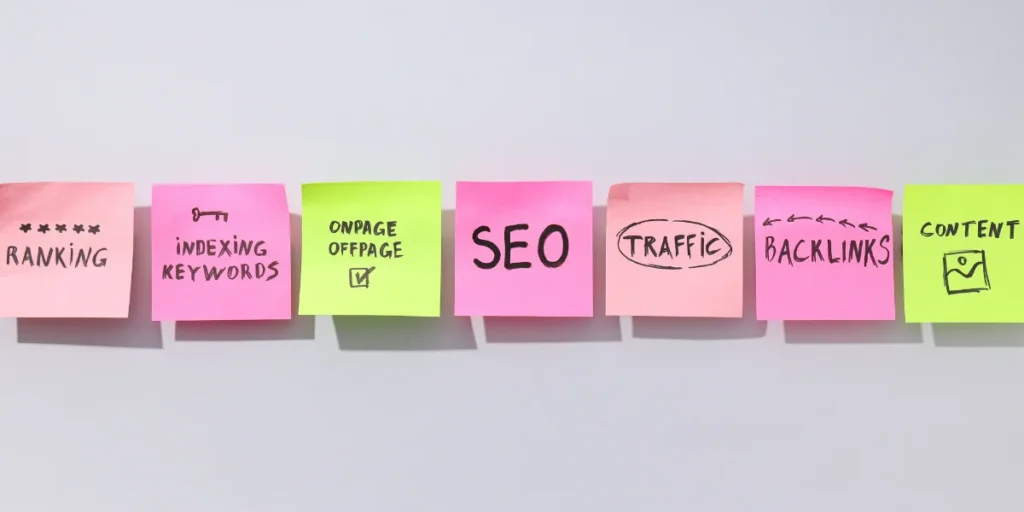
Search intent optimization is the practice of aligning every piece of content with the precise reason a user is performing a search. In 2026, this remains the single most important ranking signal after content quality. Getting intent wrong means your page will not rank, no matter how well optimized it is technically.
The Four Types of Search Intent You Must Understand
| Intent Type | User Goal | Content Format |
| Informational | Learn something new | Guides, how-tos, explainers |
| Navigational | Find a specific website or page | Brand pages, landing pages |
| Commercial | Compare options before buying | Reviews, comparisons, listicles |
| Transactional | Complete a purchase or action | Product pages, CTAs, checkout |
How to Map Keywords to Intent
Before writing any blog post, run your target keyword through Google Search and study the top three results. What content type dominates: guides, listicles, or product pages? That tells you what intent Google has assigned to the query. One of the most overlooked top SEO content trends is that intent mismatches, publishing an informational article for a transactional keyword, are a leading cause of poor rankings.
Keyword Intent in Practice: A Pakistani Freelancer Example
Consider the keyword ‘Fiverr gig description tips.’ The top results are all how-to guides and tutorials, signaling informational intent. If you publish a sales page here, it will not rank. Match your format to the intent, and you immediately improve your organic traffic potential.
For Pakistani digital earners, understanding search intent optimization is as important as choosing the right skill to learn.
Topical Authority SEO: How to Dominate Your Niche

Topical authority SEO refers to the strategy of publishing comprehensive, interconnected content across an entire subject area, rather than targeting isolated keywords. Google’s systems in 2026 reward sites that demonstrate deep, consistent expertise on a topic over time.
Building a Content Cluster Strategy
A content cluster consists of one pillar article covering a broad topic and multiple cluster articles covering specific subtopics, all linked together. This article itself is an example: it is a cluster post supporting the pillar blog on SEO content strategy. This architecture signals to Google that your site is an authoritative resource on the subject.
Research from Semrush in 2025 found that websites using a topic cluster model saw a 40% average increase in organic sessions within six months compared to sites publishing standalone articles. Topical authority SEO is therefore not just a trend but a long-term structural advantage.
How Many Articles Do You Need to Build Topical Authority?
There is no universal number, but a good starting benchmark is eight to twelve tightly related articles within a single cluster, all internally linked. The goal is to leave no important question in your niche unanswered. If a visitor can find everything they need about your topic on your site alone, you have achieved strong topical authority.
E-E-A-T in SEO: Why Trust Signals Are Non-Negotiable in 2026
E-E-A-T stands for Experience, Expertise, Authoritativeness, and Trustworthiness. In 2026, E-E-A-T in SEO has evolved from a quality guideline into a measurable ranking factor. Google’s systems assess these signals at the page, author, and site level.
The Four Pillars of E-E-A-T Explained
| E-E-A-T Pillar | What It Means for Your Content |
| Experience | Content written by someone with real, lived experience in the topic |
| Expertise | Demonstrated skill and knowledge through depth and accuracy |
| Authoritativeness | Recognition by other credible sources, backlinks, citations |
| Trustworthiness | Accurate facts, clear authorship, site security, editorial standards |
Practical Ways to Improve E-E-A-T Signals
Start by adding a detailed author bio to every article, mentioning real credentials and experience. Cite authoritative external sources such as Google’s Search Central documentation, HubSpot research, or Moz industry reports.
For example, according to Google’s own Search Quality Rater Guidelines (updated 2023), pages lacking clear authorship and original insights are classified as low quality, regardless of their keyword optimization.
Including first-person case studies and specific outcomes also boosts E-E-A-T in SEO. Saying ‘We tested this approach on five client websites and saw a 28% increase in impressions within 60 days’ is far more trust-building than generic advice. This principle is at the heart of how platforms like letsuncover.pk build authority by combining founder credibility with practical, experience-based teaching.
Zero-Click Searches and SERP Features: Winning Without the Click
Zero-click searches occur when a user finds their answer directly on the search results page, through featured snippets, knowledge panels, or AI Overviews, without visiting any website. In 2026, zero-click searches account for over 60% of all Google searches, according to SparkToro research. This is one of the most disruptive top SEO content trends marketers must adapt to.
Types of SERP Features Worth Targeting
- Featured Snippets: Appear above all organic results. Format your content with direct question-and-answer paragraphs of 40 to 60 words.
- People Also Ask Boxes: Grow your content by answering related questions in clearly marked sections.
- Knowledge Panels: Claim your Google Business Profile and ensure your brand information is consistent across the web.
- Local Packs: Critical for service-based businesses; optimize your Google Business listing alongside your website.
- AI Overviews: Structure content with definitions and facts that AI engines can cite directly.
Should You Optimize for Zero-Click Searches?
Yes, and here is why: even when a user does not click, appearing in a featured snippet or AI Overview builds brand awareness and increases the probability of a click on a later search. A 2025 Ahrefs study found that pages with featured snippets retain higher click-through rates on navigational and commercial queries than on purely informational ones.
The best approach is to satisfy both goals: answer the question immediately for SERP visibility, then provide deeper analysis on your page to reward the visitors who do click through. This dual strategy is essential to modern top SEO content trends practice.
Mobile-First Indexing and User Experience of Top SEO Content Trends
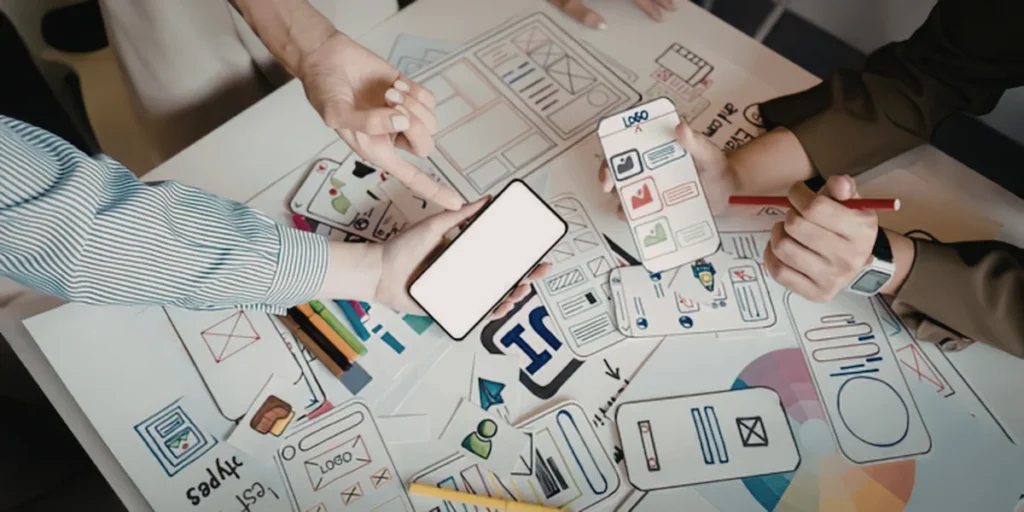
Google now uses the mobile version of your website as the primary basis for indexing and ranking. Mobile-first indexing is complete across all websites as of 2024, making user experience SEO on mobile a non-negotiable requirement rather than a bonus consideration.
Core Web Vitals and Their Impact on Rankings
Core Web Vitals are a set of user experience metrics Google uses as ranking signals. They measure loading speed (Largest Contentful Paint), interactivity (Interaction to Next Paint), and visual stability (Cumulative Layout Shift). Websites that fail Core Web Vitals benchmarks face direct ranking penalties in competitive search results.
For helpful content creators and bloggers, the most actionable fixes are: compressing images before uploading, avoiding large JavaScript files that block page rendering, and using a fast hosting provider. These technical improvements directly support your top SEO content trends strategy by ensuring visitors can actually read the content you worked hard to create.
User Experience SEO Beyond Page Speed
User experience SEO encompasses more than load time. It includes readability (short paragraphs, clear headings, bullet lists), intuitive navigation, internal linking structures that guide readers naturally, and content organization that mirrors how readers think. According to Nielsen Norman Group report, users leave pages where they cannot find information within ten seconds. Designing content with user experience in mind is therefore directly tied to lower bounce rates and higher rankings.
Semantic SEO and the Evolution of Keyword Strategy
Semantic SEO is the practice of optimizing content based on meaning, context, and topic relationships rather than individual keyword matches. In 2026, Google’s search algorithm interprets search queries with near-human understanding, which means stuffing keywords is not only ineffective but actively penalized.
What Makes Semantic SEO Different from Traditional Keyword SEO
| Traditional Keyword SEO | Semantic SEO in 2026 |
| Focus on exact keyword match | Focus on topic coverage and context |
| Repeat the keyword X times | Use related terms, synonyms, entities |
| Target one keyword per page | Cover entire topic clusters comprehensively |
| Backlinks determine authority | Topical depth and E-E-A-T signals matter equally |
| Meta keyword tags | Structured data and schema markup |
How to Implement Semantic SEO in Your Content
Begin by identifying the main entities related to your topic: people, places, products, and concepts. For a blog about top SEO content trends, related entities include Google, search algorithms, content quality, organic traffic, and digital marketing. Weave these naturally throughout your article without forcing repetition of a single phrase.
Use tools like Google’s People Also Ask section and the related searches at the bottom of SERPs to discover the semantic field around your keyword. Every question you answer from that list adds content relevance and increases the probability of ranking for multiple related queries simultaneously.
For marketers and freelancers in Pakistan looking to deepen their understanding of digital content strategies, Game of Branding is a great external resource for brand strategy insights that complement your SEO content approach.
Want to learn how to apply these top SEO content trends in real projects and start earning online? The LetsUncover YouTube channel, run by Soban Tariq, covers practical digital marketing and freelancing skills in a way that is beginner-friendly and action-focused.
Whether you are starting from zero or scaling an existing income, there is a free freelancing course waiting for you on the channel. Subscribe to LetsUncover on YouTube today. Thousands of Pakistanis are already learning, growing, and earning. Do not be the one who waits another year to start.
Conclusion: Act on These Top SEO Content Trends Today
The top SEO content trends in 2026 share a common thread: they all reward content that genuinely serves the reader. AI optimization, search intent matching, topical authority, E-E-A-T, zero-click strategy, mobile experience, and semantic SEO are not separate tactics. They are interconnected layers of a modern content strategy that compounds over time.
Here are your three key takeaways:
- Optimize for AI search engines by structuring content with clear definitions and direct answers at the start of every section.
- Build topical authority by publishing a cluster of interlinked articles rather than isolated posts targeting random keywords.
- Align every piece of content with search intent first. The right format for the right query beats keyword density every time.
To go deeper into building a full content strategy that implements these principles from start to finish, read the complete guide: SEO Content Strategy 2026: How to Create Content That Ranks on lets Uncover.
Start applying these top SEO content trends today, and your search visibility will follow.
FAQ: People Also Ask About Top SEO Content Trends
What are the top SEO content trends in 2026?
The top SEO content trends in 2026 include AI search optimization, search intent alignment, topical authority building, E-E-A-T signals, semantic SEO, and mobile-first user experience. These trends reflect Google’s shift toward rewarding comprehensive, trustworthy, and user-focused content above keyword-dense articles.
How do top SEO content trends affect small bloggers and freelancers?
Top SEO content trends directly impact small creators by raising the content quality bar. Bloggers who focus on topic clusters, genuine expertise, and reader intent now outperform larger sites that rely on volume alone. Quality and depth beat quantity in 2026.
What is generative engine optimization and why does it matter?
Generative engine optimization is the practice of structuring content to be cited by AI-powered search tools like Google AI Overviews and Perplexity. It matters because these tools increasingly answer user queries directly, making structured, citable content essential for brand visibility without a traditional click.
Is topical authority more important than backlinks for top SEO content trends?
In 2026, topical authority SEO and backlinks work together rather than competing. Sites with deep topical coverage earn more natural backlinks because they become the go-to reference. Topical authority is now a prerequisite for backlink value, not a replacement for it.
What Is Generative Engine Optimization in Top SEO Content Trends?
One of the biggest shifts in Top SEO Content Trends is the rise of generative engine optimization (GEO). GEO is the practice of creating and structuring content so AI-powered search engines like Google AI Overviews and Perplexity can easily understand, reference, and cite it in generated answers.